Comprehending Company Firm Essentials


Organization firms represent a critical framework in the worldwide economy, enveloping the techniques and legal structures that specify modern business. A business corporation, basically, is an entity legitimately different from its proprietors, giving them with limited obligation security, which suggests that the personal possessions of shareholders are safeguarded from company debts and insurance claims. This splitting up reinforces financial investment by minimizing the threat associated with business operations. Companies can perpetual presence, suggesting they continue to exist even if possession adjustments or investors leave, which includes a layer of security essential for company continuity. This kind of business entity can raise resources extra efficiently through the sale of supply, which can be a considerable benefit over other company types like single proprietorships or partnerships.
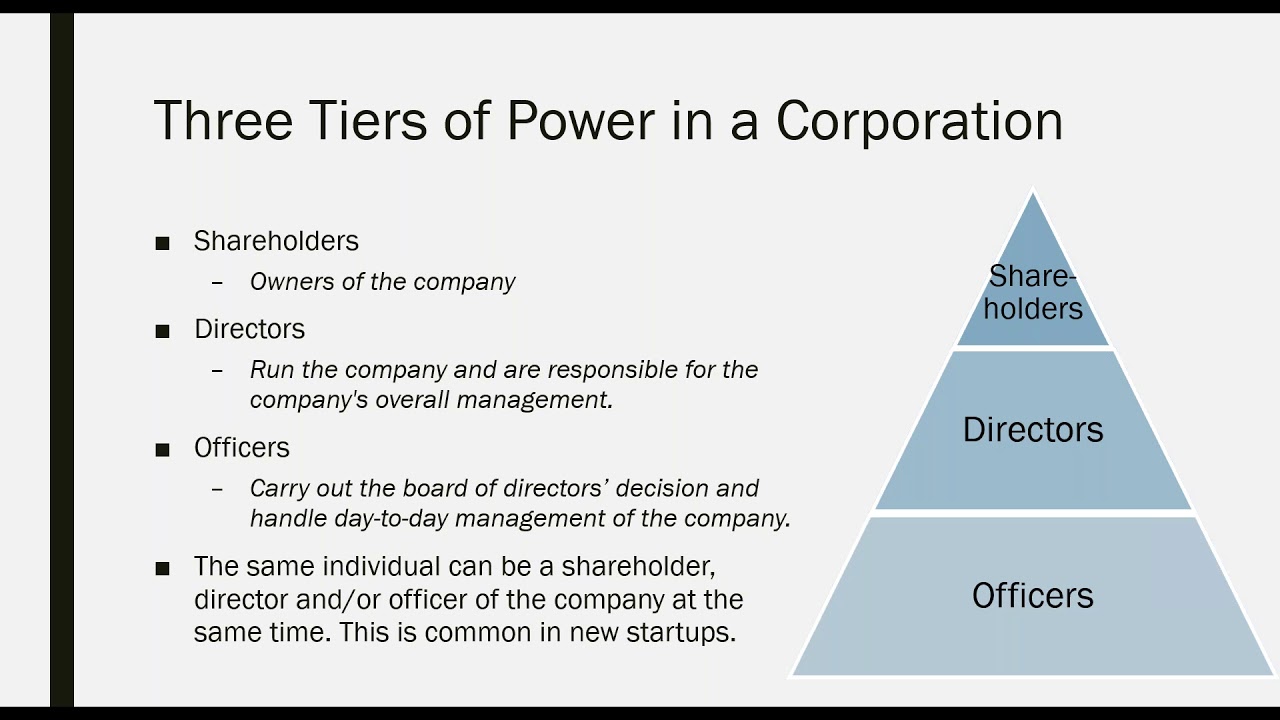
Moreover, a corporation's structure is hierarchical, usually defined by a board of supervisors in charge of making significant decisions and supervising the overall business plan. Under the board, various officers such as the CEO, CFO, and others deal with the daily operations. This organized department of duties and roles helps in maintaining a clear path of governance and liability, which is important for large monitoring and functional efficiency. Firms are needed to stick to strict reporting and operational policies, that include routine monetary disclosures, compliance with service laws, and ethical guidelines, guaranteeing a level of transparency for capitalists and the public. However, this additionally indicates they typically encounter more intricate legal requirements contrasted to various other company entities, involving in-depth record-keeping, comprehensive monetary coverage, and business tax obligation obligations. Comprehending these elements is important for any individual involved with or intending to establish a corporation.
Comprehending the Structure and Feature of Organization Corporations
Organization firms, the foundation of the modern-day economic situation, function on a complex interaction of framework and purpose. Organized primarily to generate revenue for their investors, these entities are legitimately distinct from their owners, supplying an essential guard versus individual responsibility. This legal separation enables companies to possess residential or commercial property, enter contracts, and sue or be filed a claim against individually of their investors. Typically regulated by a board of directors elected by investors, these directors are in charge of making significant decisions including the selection of operational execs like the CEO, CFO, and others that take care of day-to-day events. Company earnings can either be reinvested into the company or dispersed to investors as rewards, a choice that is affected by the business's lasting method and present economic health. Governing frameworks differ by jurisdiction yet normally include extensive requirements for financial transparency and liability, targeted at shielding capitalists and the general public. Firms must balance investor passions with broader stakeholder factors to consider, including environmental, social, and administration (ESG) factors, which have actually come to be progressively essential in assisting business practices and strategies. While the key purpose of a business corporation is riches generation, its role extends past mere profit-making; it encompasses a responsibility towards its workers, customers, and the area it runs in, frequently symbolizing a potent blend of financial and social characteristics.
Key Parts of Corporate Structure
Understanding the framework of a service corporation is important for realizing how these entities run within different sectors. Full Piece of writing is normally structured with a complex yet arranged power structure that marks duties and roles, making sure that each segment runs successfully in the direction of the satisfaction of the firm's purposes. On top of this hierarchy is the board of supervisors, liable for making wide policy choices and supervising the general direction of the company. This board, commonly made up of chosen members, plays an important role in governance and responsibility, commonly affecting significant calculated decisions, from purchases and mergers to monetary monitoring plans. Listed below the board, the executive monitoring team, including the President (CHIEF EXECUTIVE OFFICER), Chief Financial Police Officer (CFO), and others, deal with the everyday operations and implement the board's strategies and plans. This layer is essential as it functions as the link in between the board's critical direction and the functional activities of the firm. Further down the hierarchy are the different division heads and managers who oversee specific areas such as advertising and marketing, human sources, and IT. These people are entrusted with managing teams, alloting sources successfully, and making sure that their division aligns with the larger business objectives. Each department functions as a cog in the larger equipment of the firm, specialized yet important to the overall success of business. Last but not least, the general workforce, that includes workers and staff at various levels, develops the base of the business structure. They are the ones that execute the operational jobs and add to the production, sales, service, and various other necessary features that maintain the firm flourishing. Through this structured layering, firms take care of to keep order, urge productivity, and foster innovation, all while making every effort to enhance success and market share in an affordable company setting.
Comprehending the Lawful Framework and Administration of Organization Companies
In the world of organization, comprehending the legal structure and governance of companies is critical for stakeholders at all levels. simply click the up coming web site , necessarily, is a lawful entity distinct from its owners, capable of possessing property, participating in contracts, and being accountable in lawsuits independent of those that hold its shares. This legal splitting up provides investors with limited liability, indicating their individual assets are protected from the corporation's financial debts and lawful disagreements. The administration of a company is normally handled by a board of directors chosen by the investors. sneak a peek at this site make critical decisions on company policy and manage the basic administration to make sure that the firm's procedures align with the passions of its stakeholders. The board appoints policemans such as the CEO, CFO, and others that handle the daily procedures and apply the board's plans. The structure not only helps in preserving a clear pecking order within the business however likewise promotes responsibility and efficiency in taking care of business affairs. This hierarchical setup is important in large organizations, where tactical positioning and the implementation of company purposes are handled at various levels of authority. The lawful needs for forming a corporation vary by jurisdiction yet usually consist of registering with a federal government entity, producing a documented set of laws, and issuing stock to first investors. This process guarantees openness and offers a framework within which the firm have to run, consisting of the routine holding of conferences, electing procedures, and the documentation of resolutions and minutes.
Strategic Development and Future Trends in Organization Firms
In the swiftly developing landscape of worldwide business, business firms are facing a wide variety of obstacles and opportunities that dictate tactical growth and influence future trends. The combination of innovative modern technologies such as fabricated knowledge (AI), maker knowing, and the Net of Points (IoT) is not simply improving functional performances yet is additionally redefining the affordable dynamics within industries. AI applications in customer solution and supply chain monitoring allow organizations to forecast customer habits and enhance logistics, specifically, leading to not only cost reductions however likewise enhanced consumer contentment. Sustainability has actually relocated from a peripheral worry to a central focus, as companies are increasingly held answerable by both consumers and regulative bodies for their environmental effect. This shift is driving development in eco-friendly innovations and necessaries a reevaluation of supply chains, power usage, and overall business methods to ensure they straighten with wider eco-friendly issues. Additionally, the globalization of markets proceeds to use expansive possibilities for organization development, however it additionally provides complex difficulties, consisting of browsing varied regulatory settings and cultural landscapes. To take on these, corporations are enhancing their worldwide methods through cross-cultural training programs and by using advanced analytics to understand differing customer choices across different areas. Another considerable fad is the rising relevance of social obligation and principles in company administration. Stakeholders, consisting of clients, workers, and capitalists, are progressively valuing transparency and ethical actions, influencing companies to adopt more stringent administration methods and to engage even more deeply with neighborhood efforts.
Finally, the future of work within these corporations is likewise undertaking improvement. The COVID-19 pandemic increased remote working, prompting a reconsidering of office structures and employee monitoring methods. This modification has ramifications for business realty, IT facilities, and employee welfare programs, with a boosted emphasis on flexibility and staff member well-being. As corporations navigate these intricate ranges of patterns, calculated agility and a forward-thinking state of mind will certainly be vital in leveraging new chances and maintaining a competitive edge in the ever-changing company environment.